A short habit leaflet made food and exercise habits feel more like second nature
Who it’s about: Adults, People with a health condition

- Helped
With a tip sheet, plans and daily ticks, food and exercise habits felt more automatic than in usual care.
- Action: Track your progresstested
- Rule: Write down when and wheretested
- Rule: In the same place each timetested
- Rule: Have someone help you set it uptested
- Action: Eat fruit and vegetablesused
- Rule: In a single sessionused
Randomised trial of 537 adults with obesity in England · vs usual weight-loss care · they rated themselves
The study
Who took part
537 adults with obesity from 14 family doctor practices in England. They were about 57 on average, and about 2 in 3 were women.
What they did
One group had one 30-minute talk with a nurse about a leaflet of 10 everyday eating and activity habits. For 3 months they ticked off the habits they managed each day in a log book. They also weighed themselves daily and made weekly plans. The other group got the usual care: a referral to a local weight-loss group or a health worker.
What happened
After 3 months, the leaflet group said their habits felt more automatic than the usual-care group did. They also rated themselves as better at managing their own eating. This paper took the habit result from the main trial's report. Habits were measured with one question for each habit.
Source
The role of self-regulatory skills and automaticity on the effectiveness of a brief weight loss habit-based intervention: secondary analysis of the 10 top tips randomised trial (2017)
DOI: 10.1186/s12966-017-0578-8 (opens in a new tab)Tools in this study
Rule · with whom5
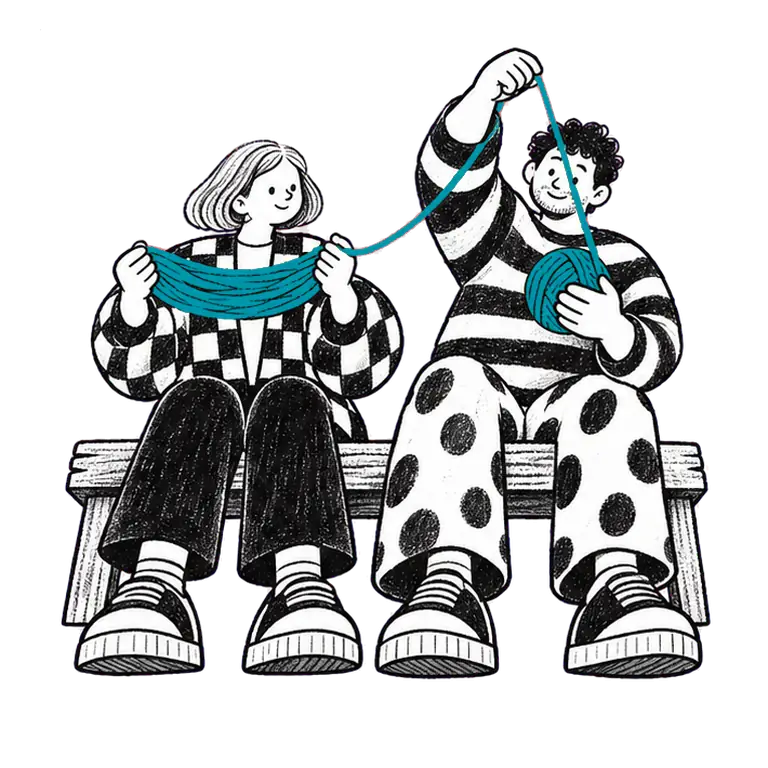
Have someone help you set it upA coach, carer, parent or clinician helps set the plan up.