How to stay motivated: what the research says
Motivation here means how much you want to do a task: your interest, engagement or confidence that you can do it, measured as the main outcome. These are the actions and rules that studies have tested, rated by how sure the research is and how much they helped.
Filter & sort
ResetSort by

HelpedMotivation
Talk therapy probably helps women hurt by a partner feel less depressed.
4 studies pooled · 600 people · 1 tool used

HelpedMotivation
Digital programmes may raise self-belief for brain or nerve illness
5 studies pooled · 2 tools tested
HelpedMotivation
Strengths programmes may raise self-belief for people with long-term illness
2 studies pooled · 1 tool tested
HelpedGoals
Learning to cope with pain eased osteoarthritis pain and helped people cope better
10 studies pooled · 1,195 people · 1 tool tested
HelpedGoals
Theory-based classes raised mothers' confidence and the number feeding only breast milk.
16 studies pooled · 5,678 people · 1 tool tested
HelpedGoals
Game parts gave small knowledge gains; motivation and task gains were less certain.
19 studies pooled · 1,686 people · 3 tools tested
HelpedGoals
Programmes that helped workers change their jobs made them feel more engaged
13 studies pooled · 1,080 people · 2 tools tested
HelpedMotivation
Training to build confidence and resilience may bring small gains.
41 studies pooled · 3,911 people

HelpedMotivation
Self-management eased symptoms, but did not clearly cut trips back to hospital.
17 studies pooled · 1,979 people · 2 tools tested
HelpedMotivation
Education that built confidence may help people with diabetes care for themselves
4 studies pooled · 554 people · 2 tools tested
HelpedMotivation
Mindfulness training may raise motivation that comes from within
21 studies pooled · 3,982 people · 1 tool tested
HelpedMotivation
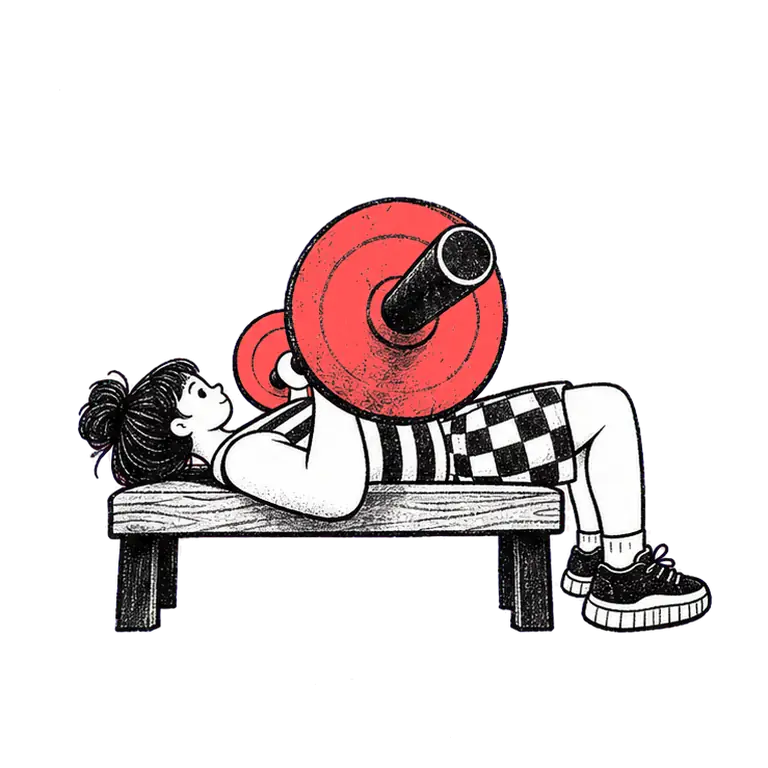
Resistance training may make young people more confident about doing it.
4 studies pooled · 460 people
HelpedMotivation
Programmes raised motivation; goal setting and tracking progress linked to bigger gains.
41 studies pooled · 19,212 people · 2 tools tested
HelpedGoals
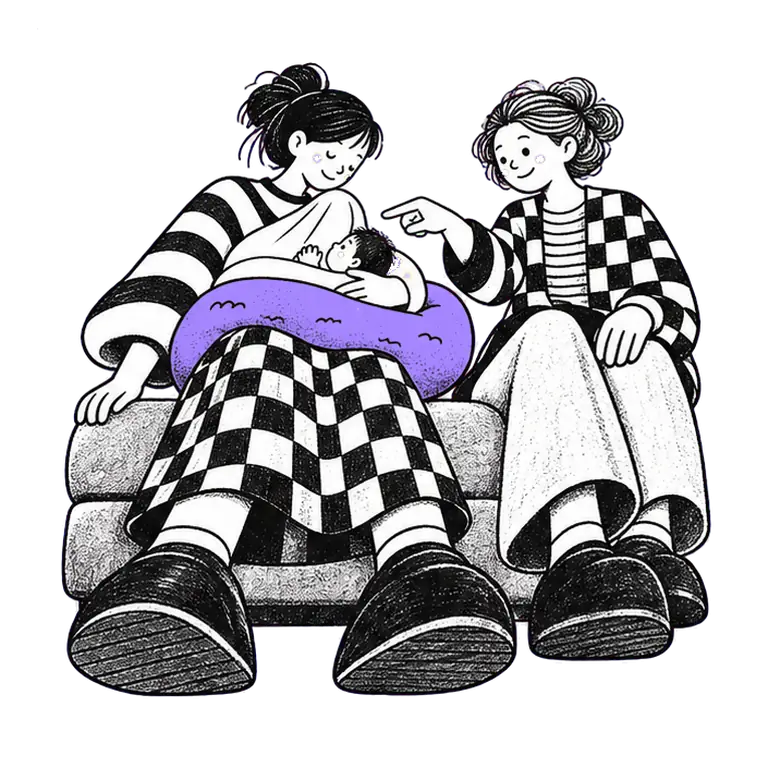
Breastfeeding help raised confidence, and fewer mothers stopped before six months.
9 studies pooled · 1,911 people

HelpedMotivation
Programmes raised confidence to be active a little, but the gain didn't clearly last
204 studies pooled
HelpedMotivation
Programmes based on social learning may raise patients' belief in their abilities
20 studies pooled
No differenceGoals
Self-management helped with long-term pain, but only a little.
2 studies pooled · 3,557 people · 2 tools tested
HelpedGoals
Programmes that encourage help may get more people to see professionals
25 studies pooled · 22,396 people · 2 tools tested
No comparisonMotivation
Parent training may raise parents' self-belief, judged against their own start
25 studies pooled · 683 people · 1 tool used
HelpedMotivation
Mind-based treatment may bring small gains in pain and confidence.
5 studies pooled · 528 people · 2 tools tested
HelpedMotivation
Self-management may help people after stroke live better and feel more able.
6 studies pooled · 469 people
HelpedMotivation
Work engagement programmes gave a small boost to engagement.
14 studies pooled · 3,692 people
HelpedMotivation
Programmes made people plan to eat better and be more active.
29 studies pooled · 1 tool tested
HelpedMotivation
Diabetes teaching based on theory helped blood sugar over time and confidence, not weight.
7 studies pooled · 5,802 people


