Two group talks and daily phone swipe practice helped people put things off less
Who it’s about: Students, Young adults

- Helped
Two group talks and two weeks of daily app practice helped people put things off less than waiting.
- Action: Learn how the problem workstested
- Action: Train yourself to approach taskstested
- Rule: Every daytested
- Rule: Through an appused
- Rule: Practise with a groupused
Small randomised trial of 31 young adults in Germany, mostly students · vs people who waited and only filled in questionnaires · they rated themselves · ⚠ only counted people who finished; numbers unreliable
The study
Who took part
31 adults aged 18 to 30, about 22 on average and mostly women, most of them students in Germany. They were picked because they put things off more than most people.
What they did
One group had two short group talks about why people put things off, two weeks apart. In between, they used a phone app every day. They swiped away pictures of distractions and swiped toward pictures of study and kind words. The other group waited and only filled in the questionnaires.
What happened
At the end, the app group said they put things off less than the waiting group. This was true in general and for schoolwork. A gap between the groups was still there one month later. How ready people felt to change didn't differ. The paper gives different numbers of people in different places, and parts of it are garbled, so we can't give sizes.
Source
Reducing procrastination using a smartphone-based treatment program: A randomized controlled pilot study (2017)
DOI: 10.1016/j.invent.2017.07.002 (opens in a new tab)Tools in this study

Action4
Learn how the problem worksPsychoeducation about procrastination, habits, sleep, routines or ADHD.
Action3
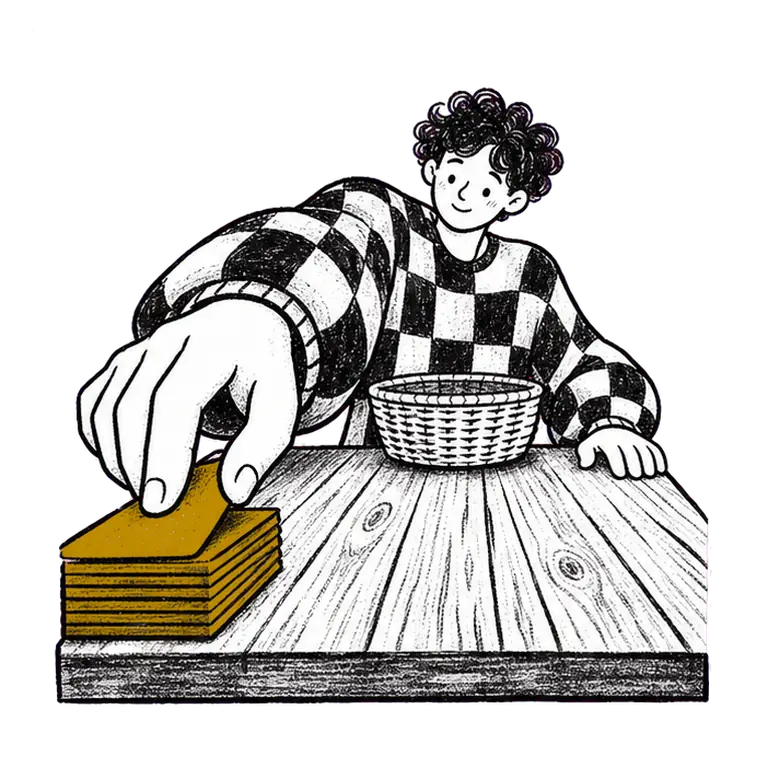
Train yourself to approach tasksApproach-avoidance or bias-modification training: repeatedly pull task cues toward you and push distractions away.